Common Types of Stone Used and How They’re Restored
People seeking stone restoration often want to restore and preserve different types of stone, and local contractors can provide expert services to achieve durable, attractive results.
Understanding the common types of stone used in building and decorative applications, along with how they’re restored, is essential for property owners looking to preserve the beauty and integrity of their surfaces. Whether it’s a historic facade, a polished countertop, or an outdoor patio, knowing the characteristics of different stones-such as granite, marble, limestone, or sandstone-can help determine the appropriate restoration approach. Local contractors who specialize in stone restoration are equipped to assess the specific needs of each material, ensuring that surfaces are carefully cleaned, repaired, and revitalized to maintain their original appeal.
For property owners in the area, exploring this topic offers practical insights into maintaining and extending the lifespan of valuable stone features. Restoring these surfaces not only enhances curb appeal but also helps prevent damage caused by weathering, staining, or general wear. Skilled service providers can guide through the restoration process, applying techniques tailored to each type of stone, and ensuring the results uphold both aesthetic and structural quality. Keeping informed about common stones and their restoration methods can empower property owners to make well-informed decisions about preserving their investments.
- Marble surfaces - homeowners noticing etching or staining on marble can rely on local contractors to carefully restore its polished appearance.
- - when granite shows signs of cracks or dullness, local service providers can perform specialized restoration to bring back its original luster.
- Travertine flooring - areas with surface wear or discoloration often require professional honing and sealing by local pros experienced with travertine.
- Limestone features - weathered or stained limestone can be restored through expert cleaning and polishing by local contractors familiar with this stone type.
- Slate surfaces - for chipped or scratched slate, local service providers can apply targeted repair techniques to improve durability and appearance.
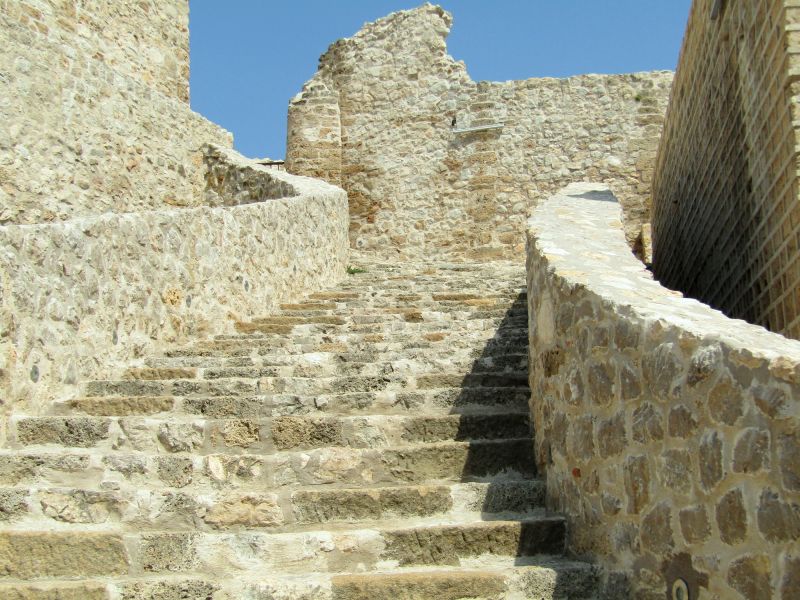
When searching for information about common types of stone used and how they’re restored, homeowners often want to understand the different materials that make up their property’s surfaces and the best ways to maintain or repair them. This topic is typically related to projects involving the preservation or enhancement of stone features like flooring, countertops, patios, or building facades. Many people are concerned about the appearance, durability, and longevity of their stone surfaces, especially if they have noticed signs of wear, staining, or damage over time. Understanding the types of stone involved helps homeowners choose appropriate restoration methods and materials, ensuring their property maintains its aesthetic appeal and structural integrity.
The problems that lead homeowners to explore common types of stone and restoration techniques usually involve surface deterioration, staining, cracking, or erosion. Over time, exposure to weather, foot traffic, or household use can cause stone surfaces to become dull, chipped, or stained. Restoration plans often focus on cleaning, repairing, and sealing the stone to extend its life and improve its appearance. Homeowners may also be considering renovations or upgrades that require matching existing stone or restoring an aged or damaged feature to its original condition. Local contractors experienced in stone restoration can assess the specific type of stone, recommend suitable techniques, and perform work that preserves the natural beauty and function of the surface.
Types of properties that commonly feature stone surfaces include residential homes, commercial buildings, historical landmarks, and outdoor spaces like patios, walkways, and pool surrounds. In homes, natural stone is often used for kitchen countertops, flooring, and fireplace surrounds, making proper restoration essential for maintaining a high-end look. Commercial properties, such as hotels or retail spaces, frequently incorporate stone features that require regular upkeep or restoration to keep them looking their best. Historical sites and older buildings may have stone elements that need careful restoration to preserve their original character. Whether for aesthetic improvements or structural repairs, local service providers specializing in stone restoration have the skills to handle a variety of property types and stone materials.
Understanding common types of stone used and how they’re restored helps homeowners make informed decisions about maintaining their property’s value and appearance. Local pros who specialize in stone restoration can evaluate the specific material, identify issues, and recommend appropriate cleaning, repair, or sealing techniques. These experts are familiar with a range of stone types, including granite, marble, limestone, sandstone, and slate, and know how to restore each without causing further damage. Connecting with experienced service providers ensures that the restoration process respects the unique qualities of the stone and results in a durable, attractive finish. This knowledge ultimately supports homeowners in protecting their investment and enjoying their stone surfaces for years to come.
Marble polishing projects - local contractors skilled in marble restoration can help improve the appearance of marble surfaces and restore their natural shine.
Granite countertop refinishing - service providers experienced in granite repair and sealing can address scratches, stains, and surface damage effectively.
Limestone cleaning and restoration - professionals can safely clean and restore limestone surfaces, preserving their texture and appearance.
Slate flooring restoration - local experts can repair, clean, and restore slate floors to maintain their durability and aesthetic appeal.
Travertine resurfacing services - specialists can help restore the surface of travertine by addressing etching, staining, and surface wear.
Natural stone sealing projects - service providers can apply protective sealants to various stone types to prevent staining and damage over time.
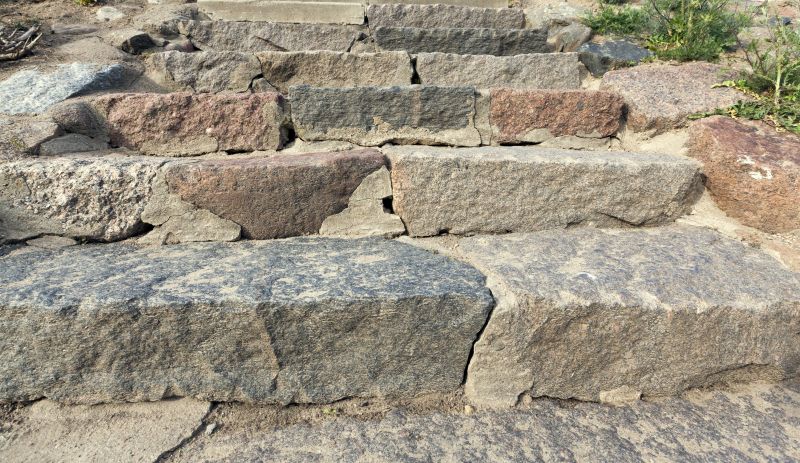
When comparing local contractors for stone restoration services, it’s important to consider their experience with similar projects involving common types of stone used and how they’re restored. A contractor’s familiarity with different stone materials-such as marble, granite, limestone, or sandstone-can influence the quality and longevity of the work. Homeowners should inquire about previous projects that resemble their own, paying attention to the scope and complexity of those restorations. This helps ensure that the service provider has practical knowledge and a track record of successfully handling the specific types of stone involved in the project.
Clear written expectations are essential when evaluating potential service providers. A reputable contractor should be able to articulate the scope of work, the restoration techniques they plan to use, and any necessary preparation or follow-up steps. Detailed communication helps prevent misunderstandings and ensures that homeowners understand what to expect throughout the process. When comparing options, it’s beneficial to look for providers who provide comprehensive written estimates or project outlines, which serve as a reference point for the work involved and help establish mutual understanding from the outset.
Reputable local contractors are also distinguished by their references and communication practices. Homeowners should seek out service providers who can provide references from past clients with similar projects, offering insights into their reliability and quality of work. Good communication-whether through timely responses, transparency about procedures, or clarity in answering questions-can make the restoration process smoother and more predictable. Choosing a contractor who demonstrates professionalism and openness can contribute significantly to a successful project, especially when dealing with the nuances of restoring various types of stone and maintaining their aesthetic and structural integrity.
Property owners often search for common types of stone used and how they’re restored when they are planning practical projects around their homes and businesses. Local pros provide Stone Restoration services for everyday jobs and straightforward project options.
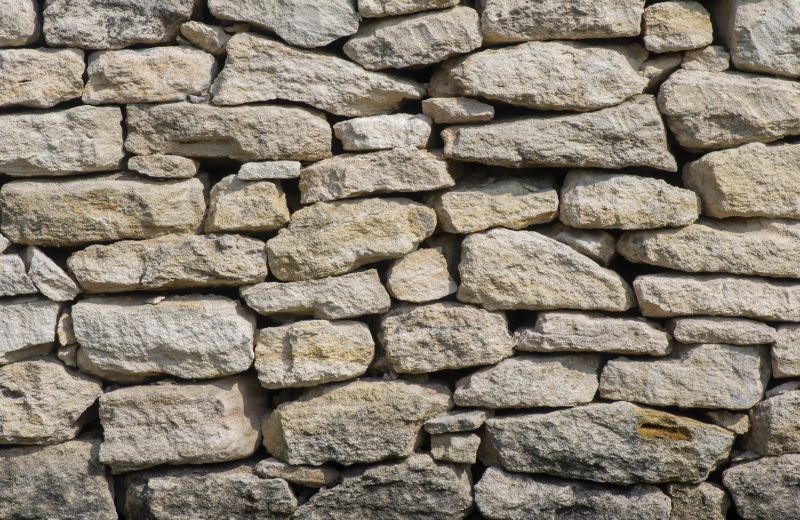
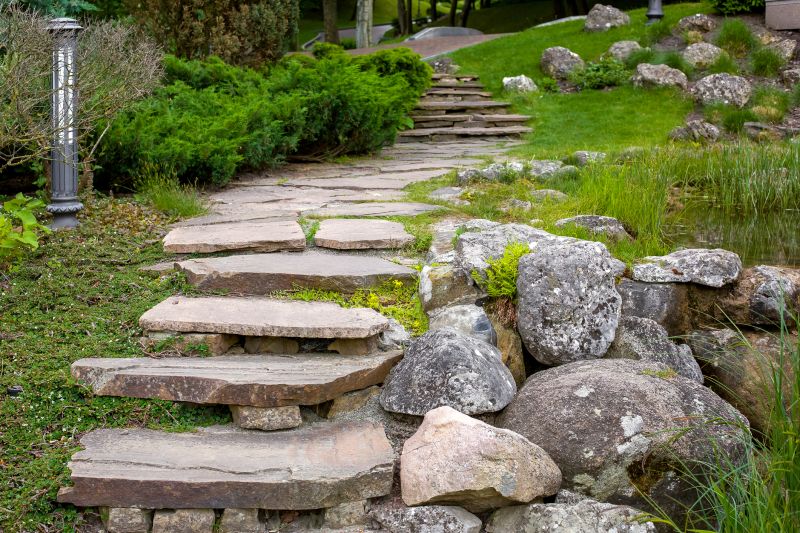
Understanding the common types of stone used in building and landscaping projects can help property owners better appreciate the importance of proper restoration. Materials like granite, marble, limestone, and sandstone are popular choices for surfaces such as countertops, patios, and walkways due to their durability and aesthetic appeal. Over time, these stones may develop stains, cracks, or surface wear, prompting property owners to look into restoration options. Local contractors who specialize in stone restoration can assess the condition of these materials and recommend appropriate techniques to restore their original beauty and integrity.
Restoring these types of stone typically involves processes like cleaning, polishing, sealing, or repairing surface damage. The goal is to remove dirt and stains while preserving the stone’s natural look. For instance, marble surfaces might require gentle polishing to bring back their shine, while limestone may need specialized cleaning to prevent surface erosion. Property owners often seek out local service providers who have experience working with specific stone types to ensure the job is done correctly. These professionals can help prolong the lifespan of stone features and maintain their visual appeal through tailored restoration methods.
What are some common types of stone used in homes and buildings? Common types of stone used include marble, granite, limestone, slate, and travertine, each with unique properties and appearances that influence restoration needs.
How do local contractors restore marble and granite surfaces? They typically use specialized cleaning, polishing, and sealing techniques to remove stains, scratches, and etching, restoring the stone's original luster and durability.
What methods are used to restore softer stones like limestone and travertine? Restoration often involves gentle cleaning, pore filling, and sometimes re-polishing to address surface wear, staining, or minor damage while preserving the stone’s natural look.
Can different types of stone be repaired using the same restoration techniques? Not always; some stones require specific methods or products based on their porosity, hardness, and finish, which local service providers can determine during a consultation.
What are common causes of damage to natural stone surfaces that restoration can address? Damage can result from staining, scratching, etching from acids, or surface wear, all of which local contractors can repair through appropriate restoration methods.
Identifying common stone types helps property owners choose appropriate restoration methods and materials, ensuring longevity and aesthetic appeal.
Assessing damage and wear allows local contractors to recommend tailored restoration approaches for different stone surfaces.
Understanding restoration techniques guides property owners in selecting services that preserve the natural beauty of their stone features.
Planning for ongoing maintenance ensures that restored stone surfaces stay durable and attractive over time with proper care.
If you are thinking about common types of stone used and how they’re restored for a property, this guide is meant to help you understand this topic, the typical project types, and how different options might fit your plans.
When you are ready, you can use the quote form on this page to share a few details about your project. From there, local pros can review the basics and follow up with options that match what you have in mind.